


The Hindu Editorial Analysis
13 April 2026
Elusive deal : U.S.–Iran talks in Islamabad
(Source – The Hindu, International Edition, Page no.-10 )
Topic : GS2 – International relations; trade negotiations
Why in news: The U.S.–Iran talks in Islamabad are in news due to lack of agreement, ongoing ceasefire tensions, and disputes over nuclear programme, Strait of Hormuz, and regional conflicts.
Key Details
- 21-hour talks between the U.S. and Iran ended without a breakthrough.
- No agreement was expected due to deep-rooted differences and mistrust.
- The ceasefire remains fragile, with continued Israeli strikes in Lebanon.
- Dispute over negotiation framework and Iran’s 10-point proposal.
- First high-level meeting since 1979 between senior U.S. and Iranian leaders.
- Major issues include nuclear programme, Strait of Hormuz, and Lebanon conflict.
- Conflict has strengthened Iran’s stance and increased regional instability.
Outcome of Islamabad Talks
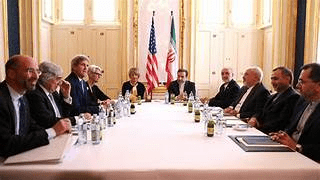
- Around 21 hours of discussions between the U.S. and Iran in Islamabad ended without any concrete agreement.
- The lack of breakthrough was expected due to deep differences between both sides.
- However, this does not indicate collapse of the negotiation process.
- The talks still mark a continuation of diplomatic engagement.
Ceasefire and Ongoing Conflicts
- A two-week ceasefire announced by Donald Trump after prolonged conflict appeared fragile from the beginning.
- Israel continued airstrikes in Lebanon, causing heavy casualties.
- Iran and Pakistan argued that Lebanon was included in the ceasefire, unlike Israel.
- This lack of consensus weakened the truce’s credibility.
Disagreements Over Negotiation Framework
- There was no mutually agreed structure for the Islamabad talks.
- Iran stated its 10-point proposal formed the discussion basis.
- The U.S. claimed the received proposal differed from Iran’s public version.
- These differences reflected mistrust and lack of coordination.
Significance of High-Level Engagement
- The meeting between J. D. Vance and Mohammad Bagher Ghalibaf was significant.
- It was the first senior-level face-to-face interaction since the 1979 Iranian Revolution.
- This indicates a renewed diplomatic opening despite tensions.
- It may serve as a foundation for future negotiations.
Key Areas of Conflict
- Three major issues remain unresolved:
- Iran’s nuclear programme
- Control over the Strait of Hormuz
- Israeli military actions in Lebanon
- The conflict has intensified Iran’s stance and created new regional tensions.
- U.S.-Israeli actions have not achieved intended strategic outcomes.
- Instead, they have escalated instability in the region.
Way Forward and Strategic Considerations
- The U.S. should pursue a negotiated settlement without imposing ultimatums.
- Iran must avoid overplaying its strategic leverage.
- Tehran seeks security guarantees and reconstruction support.
- Iran should remain open to nuclear concessions and free maritime access.
- Continued dialogue and maintaining the ceasefire are essential for progress.
Conclusion
The U.S.–Iran talks reflect both diplomatic opportunity and persistent tensions. While disagreements over nuclear policy, regional conflicts, and strategic waterways remain unresolved, continued engagement is crucial. A balanced approach involving mutual concessions, respect for sovereignty, and sustained dialogue is necessary. Only through cooperation and restraint can both sides move toward regional stability and long-term peace.