


The Hindu Editorial Analysis
08 May 2026
Seeking a new paradigm for Dravidian exceptionalism
(Source – The Hindu, International Edition – Page No. – 8)
Topic : GS Paper: GS-2 (Polity, Regional Politics, Federalism, Governance)
Context
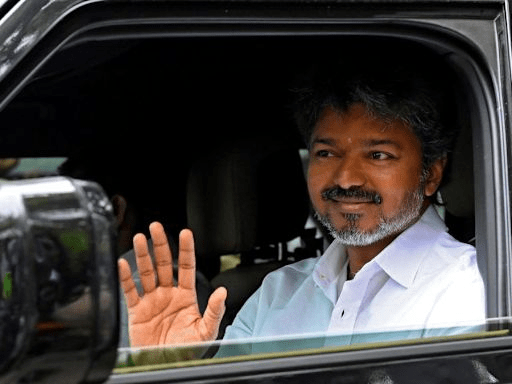
The editorial analyses the political significance of actor-politician C. Joseph Vijay’s electoral success in Tamil Nadu and its implications for the future of Dravidian politics. It argues that the rise of the Tamilaga Vettri Kazhagam (TVK) reflects growing public dissatisfaction with the traditional Dravidian parties and signals a search for a new political paradigm.
Core Issue
The central issue is the transformation of Tamil Nadu’s political landscape, driven by:
- Declining public trust in established Dravidian parties
- Demand for cleaner governance and new leadership
- Social and generational shifts in voter preferences
This raises a key question:
Is Tamil Nadu witnessing a renewal of Dravidian politics, or the emergence of a post-Dravidian political phase?
Background of Dravidian Politics
- Tamil Nadu politics dominated for decades by DMK and AIADMK
- Core principles included:
- Social justice
- Rationalism
- State autonomy
- Welfare-oriented governance
Achievements:
- Welfare expansion
- Resistance to centralisation and Hindi imposition
- Strong regional identity politics
Reasons for Public Disenchantment
- Perception of corruption and rent-seeking governance
- Dynastic politics and leadership succession concerns
- Declining administrative credibility
Observation:
- Public fatigue with entrenched political structures
Rise of TVK and Vijay’s Appeal
- TVK emerged as a major political force with significant vote share and seats
- Vijay’s campaign relied heavily on:
- Social media outreach
- Youth-centric mobilisation
- Gen-Z communication style
Implication:
- Shift from traditional cadre-based politics to digital-era mobilisation
Politics of Outsider Appeal
- Vijay projected himself as an outsider challenging established elites
- Public sympathy increased after controversies and attacks from rivals
Result:
- Narrative of victimhood and anti-establishment politics strengthened support base
Socio-Economic Context Behind the Shift
- Economic insecurity among youth and middle classes
- Job market disruptions and technological changes
- Growing dissatisfaction with existing development model
Key insight:
- Electoral shift reflects deeper economic and social anxieties
Changing Nature of Dravidian Politics
- Traditional Dravidian identity politics facing generational transition
- Younger voters less attached to older ideological narratives
Emerging priorities:
- Governance efficiency
- Employment opportunities
- Aspirational politics
Observation:
- Political discourse shifting from ideological mobilisation to performance-based legitimacy
BJP Factor in Tamil Nadu
- Concerns regarding BJP’s expanding influence in the State
- Regional parties seen as bulwarks against centralising and majoritarian politics
Implication:
- TVK’s rise may also reflect attempts to consolidate anti-BJP political space
Challenges Before TVK
- Converting electoral momentum into governance capability
- Building administrative and organisational structure
- Managing expectations of diverse voter groups
Key concern:
- Whether outsider politics can transition into effective governance
Future of Tamil Nadu Politics
Possible trends:
- Reconfiguration of Dravidian politics
- Decline of two-party dominance
- Greater role for personality-driven and digital politics
Observation:
- Tamil Nadu may be entering a new phase of competitive political realignment
Way Forward
- Strengthen transparent and accountable governance
- Address youth employment and economic concerns
- Preserve core values of social justice and federalism
- Encourage institutional rather than personality-centric politics
- Adapt regional politics to changing social aspirations
Conclusion
The rise of TVK reflects both dissatisfaction with the old political order and the search for a renewed vision of governance in Tamil Nadu.
While Dravidian politics remains influential, its future may depend on its ability to adapt to changing social realities and aspirational voters.
The coming years will determine whether this moment marks reform within the Dravidian framework or the beginning of a fundamentally new political paradigm.