


The Hindu Editorial Analysis
27 May 2026
India’s energy strategy needs price correction
(Source – The Hindu, International Edition – Page No. – 8)
Topic: GS-3 (Energy Security, Economy, Infrastructure, International Relations)
Context
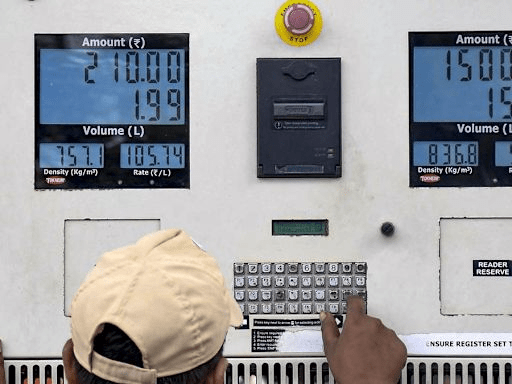
The editorial examines how the West Asian crisis and disruptions around the Strait of Hormuz have exposed India’s energy vulnerabilities. It argues that while India successfully shielded consumers through state intervention, prolonged insulation from global energy prices is economically unsustainable.
Core argument:
India now requires calibrated fuel price correction and a long-term energy resilience strategy.
Why Strait of Hormuz Matters for India
The Strait of Hormuz is one of the world’s most critical energy chokepoints.
Importance:
• Significant share of global oil trade passes through it
• Key route for Gulf crude exports
• Essential for India’s imported energy needs
Current disruptions caused:
• Rise in crude prices
• Higher shipping costs
• Increased marine insurance premiums
• Supply chain uncertainty
• Pressure on LNG markets
Thus:
Energy security has become inseparable from geopolitics.
India’s Immediate Response
India adopted multiple measures to cushion the shock.
Supply diversification
Expanded sourcing from:
• Russia
• United States
• West Africa
• Atlantic Basin
Strategic reserves
India strengthened:
• Strategic Petroleum Reserve (SPR)
• Storage agreements with partner countries
Example:
Agreement with UAE for crude storage.
Domestic production adjustments
Government:
• Increased LPG production
• Prioritised fuel supplies for essential sectors
• Protected fertilizer and transport networks
Diplomatic initiatives
• Naval deployments
• Alternate shipping arrangements
• Diplomatic outreach with multiple countries
Result:
Immediate shortages were avoided.
Why This Stability Came at a Cost
The editorial argues that low fuel prices were maintained through:
• State intervention
• Subsidy-like absorption
• Financial pressure on public oil companies
Consequences:
Oil Marketing Companies (OMCs):
• Sold fuel below market-linked costs
• Faced heavy under-recoveries
• Experienced financial strain
Estimated losses:
₹700–₹800 crore per day during peak volatility (as cited in the article)
Structural Problem: India’s Energy Dependence
The larger issue is not temporary disruption.
India remains heavily dependent on imported fossil fuels.
Affected sectors:
• Transport
• Aviation
• Manufacturing
• Agriculture
• Fertilizer production
• Logistics
Therefore:
Even if immediate shortages are avoided, India remains vulnerable to global shocks.
Why Permanent Price Shielding Is Problematic
Short-term protection:
Useful during crises.
Long-term protection creates distortions:
• Burdens public finances
• Weakens oil companies
• Encourages inefficient energy use
• Distorts market signals
• Delays conservation behaviour
Simple analogy:
Painkiller relieves symptoms; it does not cure disease.
Subsidised fuel can ease temporary shocks but cannot solve structural energy vulnerability.
Editorial Recommendation: Price Correction
The article advocates:
Gradual and calibrated fuel price increases.
Why?
India’s inflation conditions remain relatively manageable.
Benefits:
• Reduces fiscal burden
• Strengthens OMC finances
• Encourages efficient consumption
• Creates realistic market pricing
New Energy Era: Key Lessons
The article argues that energy crises are no longer temporary disruptions.
Future energy security requires:
Resilience
• Strategic reserves
• Flexible supply chains
Diversification
• Multiple sourcing partners
• Reduced Gulf dependence
Conservation
• Responsible consumption
• Efficient transport systems
Domestic transition
• Renewable energy
• Alternative fuels
• Electrification
UPSC Value Addition
Challenges in India’s Energy Security:
• High import dependence
• Geopolitical volatility
• Chokepoint risks
• Fossil fuel dependence
• Fiscal burden of subsidies
Government Measures:
• Strategic Petroleum Reserve
• Ethanol blending
• Renewable expansion
• Diversification of crude imports
• International energy partnerships
Conclusion
India successfully navigated the immediate energy shock, but crisis management cannot become permanent policy. The larger challenge is preparing for a world where energy disruptions may become frequent and geopolitical uncertainty becomes normal.
Memorable line:
“Energy security today is not merely about securing oil; it is about securing resilience.”