


The Hindu Editorial Analysis
17 March 2026
Neighbourhood diplomacy and its West Asia challenge
(Source – The Hindu, International Edition, Page no.-10 )
Topic: GS Paper 2 – International Relations (Neighbourhood Policy, West Asia
Introduction
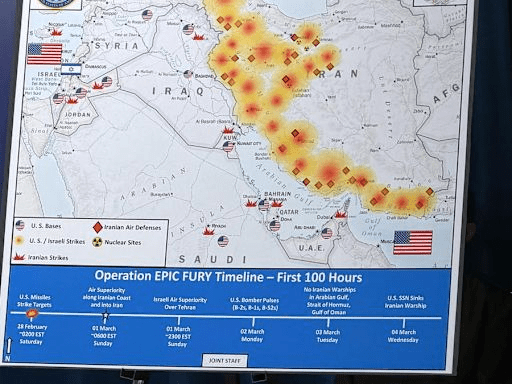
The ongoing West Asia conflict, marked by escalating tensions involving Iran, Israel and the United States, has begun to directly impact South Asia. With incidents such as attacks on Iranian assets in the Indian Ocean, the crisis is no longer geographically distant. For India, which has deep economic, strategic and diaspora links with the region, the conflict poses a serious test of its neighbourhood diplomacy and regional leadership.
I. Spillover Effects on South Asia
The conflict is already affecting South Asia in multiple ways:
- Disruption of trade and supply chains, including fuel, food and fertilizers.
- Risks to maritime security, especially around the Strait of Hormuz.
- Threats to diaspora safety, with nearly 25 million South Asians living in West Asia.
Indian seafarers, who form a significant portion of global maritime crews, are particularly vulnerable.
II. India’s Diplomatic Response: Concerns
India’s initial response to the crisis has raised concerns regarding its diplomatic positioning.
Key observations include:
- Delay in expressing condolences and issuing balanced statements.
- Perceived alignment with one side during early stages of the conflict.
- Contrast with responses from neighbouring countries such as Bangladesh, Maldives and Sri Lanka.
This has created an impression of deviation from India’s traditional balanced West Asia policy.
III. India’s Traditional West Asia Policy
India has historically followed a multi-alignment strategy in West Asia:
- Maintaining strong ties with Israel (defence, technology).
- Engaging with Iran (energy, connectivity like Chabahar).
- Building partnerships with Gulf countries (trade, diaspora, energy).
This approach has helped India maintain trust across competing regional actors.
IV. Maritime and Regional Security Challenges
The conflict has serious implications for maritime security.
1. Indian Ocean Vulnerabilities
- Strategic chokepoints like the Strait of Hormuz are under threat.
- Increased military activity in the Indian Ocean region.
2. Weakening of Security Perception
The sinking of Iranian naval assets by external powers in the Indian Ocean challenges India’s image as a “net security provider” in the region.
3. Need for Regional Coordination
India must strengthen cooperation through regional platforms such as:
- Indian Ocean Rim Association (IORA)
- Colombo Security Conclave
- Information Fusion Centre – Indian Ocean Region (IFC-IOR)
V. Economic and Energy Implications
The conflict has major economic consequences for India and its neighbours.
1. Energy Security
- India’s heavy dependence on West Asian oil makes it vulnerable to supply disruptions.
- Rising energy prices may affect inflation and growth.
2. Regional Economic Stress
Neighbouring countries like:
- Bangladesh
- Sri Lanka
- Nepal
- Maldives
may face fuel shortages and economic instability, increasing dependence on India.
3. Lessons from Past Crises
The COVID-19 crisis highlighted the need for an “all-of-region” approach, as seen in initiatives like Vaccine Maitri.
VI. Geopolitical Constraints
India’s foreign policy is increasingly shaped by global alignments.
Key challenges include:
- Participation in groupings like the Quad, which may influence perceptions of alignment.
- Managing relations with major powers such as the U.S. while maintaining strategic autonomy.
- Navigating rivalries in West Asia without taking sides.
VII. Need to Restore Strategic Balance
India must recalibrate its diplomacy to maintain credibility and leadership.
Key steps include:
- Reaffirming a balanced and neutral stance in West Asia.
- Strengthening regional coalitions in the Indian Ocean.
- Enhancing economic and energy cooperation with neighbours.
- Promoting connectivity and trade platforms in South Asia.
- Using platforms like BRICS and Quad to shape regional stability.
India’s traditional policy of maintaining equidistance from rival blocs remains crucial.
Conclusion
The West Asia conflict represents a complex challenge for India’s neighbourhood diplomacy. As geopolitical tensions spill over into South Asia, India must navigate a delicate balance between competing interests while safeguarding its economic, strategic and humanitarian priorities. A calibrated, proactive and balanced foreign policy will be essential for India to maintain its regional influence and strategic autonomy.