


The Hindu Editorial Analysis
24 April 2026
Cycle of violence
(Source – The Hindu, International Edition – Page No. – 8)
Topic : GS Paper: GS-3 : Internal security; extremism-development linkage
Why in news: Ethnic conflict in Manipur persists due to deep mistrust, politicisation, delayed state response, weak peace initiatives, and cycles of violence reinforced by disinformation, hardline actors, and limited inclusive dialogue.
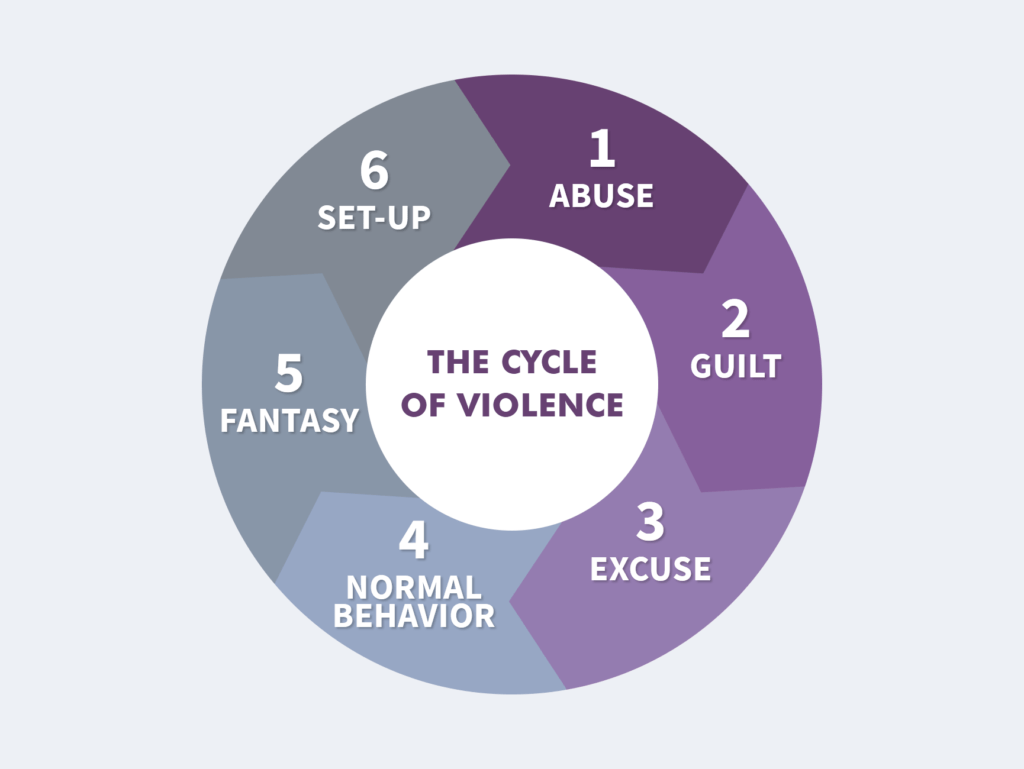
Key Details
- Persistent ethnic divide and mistrust between communities
- Trigger incidents (e.g., bombings) reigniting violence cycles
- Role of disinformation worsening tensions
- Need for stronger security action and inclusive peace-building
Complexity of Ethnic Conflicts
- Ethnic conflicts are extremely difficult for governments to resolve due to deep-rooted hostility
- Divisions remain rigid, with groups resisting reconciliation efforts
- Violence persists as identities become strongly polarised
- Even peace-oriented governments struggle to build trust
- Every incident is viewed through an ethnic lens
Role of Governance Failures
- Early intervention failures allowed tensions to escalate
- Delayed response intensified the conflict
- Weak governance reduces chances of restoring normalcy
- Civil society efforts become constrained
- Institutional gaps worsen long-term instability
Current Situation in Manipur
- Manipur is facing a prolonged ethnic crisis
- Leadership under Yumnam Khemchand Singh has struggled to manage tensions
- A bombing incident in Bishnupur reignited violence
- Allegations against Kuki groups triggered protests and clashes
- The state remains trapped in cycles of conflict
Political Response and Limitations
- Bharatiya Janata Party expected leadership change to restore peace
- Resignation of N. Biren Singh seen as a corrective step
- President’s Rule failed to ensure lasting stability
- New government aimed at moderate governance
- Overall response remains limited in impact
Way Forward for Peace Restoration
- Adopt a “carrot and stick” approach
- Empower civil society promoting peace
- Take strict action against violent elements
- Ensure greater Union government involvement
- Without proactive steps, cycles of violence will persist
Conclusion
Sustainable peace in Manipur requires more than leadership changes or temporary controls. A coordinated approach involving strong governance, inclusive dialogue, and accountability is essential. Union government must prioritise reconciliation over political calculations, empower civil society, and act decisively against violence to break the recurring cycle of ethnic conflict.