


The Hindu Editorial Analysis
29 April 2026
The RTE Act and the idea of social inclusion
(Source – The Hindu, International Edition – Page No. – 8)
Topic : GS Paper: GS-2 (Education, Social Justice, Welfare of Vulnerable Sections)
Context
The editorial discusses the Supreme Court’s January 2026 judgment reaffirming Section 12(1)(c) of the Right to Education (RTE) Act, 2009. This provision mandates 25% reservation in private schools for children from economically weaker and disadvantaged sections, aiming to promote social inclusion through shared educational spaces.
Core Issue
The central issue is the role of education policy in achieving social integration, particularly through:
- Implementation of Section 12(1)(c) of the RTE Act
- Balancing public and private roles in education
- Addressing gaps in execution and accessibility
This raises a key question:
Can the RTE framework effectively deliver social inclusion, or is its impact limited by implementation challenges?
RTE as a Tool for Social Integration
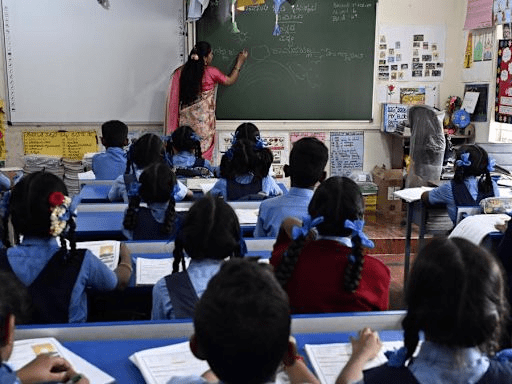
- Section 12(1)(c) enables children from diverse socio-economic backgrounds to study together
- Promotes equality of status and opportunity
- Creates shared learning environments across class divides
Significance:
- Moves beyond access to education toward social transformation
Constitutional Vision
- The provision reflects a deliberate constitutional strategy
- Aligns with principles of equality and dignity
- Reinforces the State’s obligation to ensure inclusive education
Clarification:
- It does not dilute the State’s duty toward public education
- Instead, it integrates private schools into a broader constitutional mandate
Debate on Public vs Private Education
- Critics argue it promotes private schooling at the cost of public systems
- However:
- Shift toward private schools predates RTE
- Driven by concerns over quality, infrastructure, and teacher availability in government schools
Conclusion:
- Section 12(1)(c) addresses access, not the root causes of public school decline
Evidence from Implementation
- Over five million children have benefited from the provision
- High retention rates (above 90%)
- Increasing normalisation of mixed classrooms in urban areas
Research findings:
- Improved social cohesion
- Reduced discrimination
- No negative impact on academic performance
Benefits Beyond Academics
- Access to social capital and peer networks
- Exposure to new aspirations and institutional cultures
- Enhanced confidence and worldview
Implication:
- Education acts as a catalyst for long-term social mobility
Implementation Challenges
- Resistance from some private schools
- Hidden costs (uniforms, books, materials) borne by families
- Delays in reimbursement to schools
- Gaps in transparency and grievance redressal
Result:
- Uneven implementation across States
Administrative and Policy Gaps
- Need for stronger enforcement mechanisms
- Inconsistent monitoring systems
- Limited last-mile outreach
Observation:
- Challenges are administrative, not conceptual
Way Forward
- Ensure timely reimbursements to private schools
- Eliminate hidden costs for beneficiaries
- Strengthen digital admission and monitoring systems
- Improve grievance redressal mechanisms
- Reinforce accountability and transparency
- Continue investment in public education alongside RTE provisions
Conclusion
Section 12(1)(c) of the RTE Act represents a significant step toward building an inclusive and equitable education system.
Its success lies not in questioning its intent, but in strengthening its implementation.
Achieving true social integration through education requires sustained administrative commitment and alignment with constitutional ideals of equality and justice.