


The Hindu Editorial Analysis
12 May 2026
A new phase in the India-Vietnam strategic partnership
(Source – The Hindu, International Edition – Page No. – 8)
Topic : GS Paper: GS-2 (International Relations) and GS-3 (Security, Indo-Pacific, Defence Cooperation)
Context
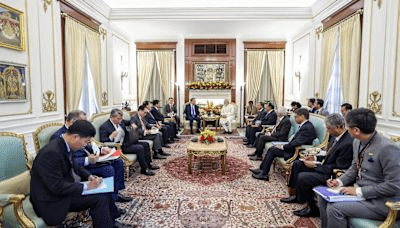
The editorial analyses the growing strategic partnership between India and Vietnam following the 2026 visit of Vietnamese President Tô Lâm to India. It highlights the elevation of bilateral ties to an Enhanced Comprehensive Strategic Partnership and examines its implications for the Indo-Pacific geopolitical landscape.
Core Issue
The central issue is the deepening convergence between India and Vietnam amid changing Indo-Pacific dynamics, particularly in:
- Defence and maritime cooperation
- Supply chain diversification
- Strategic balancing against coercive behaviour in the South China Sea
This raises a key question:
Can the India–Vietnam partnership emerge as a major pillar of India’s Indo-Pacific strategy?
Evolution of India–Vietnam Relations
- India’s “Look East” and later “Act East” policy laid the foundation for stronger ties
- Relations elevated to a Comprehensive Strategic Partnership in 2016
- Regular:
- High-level political exchanges
- Defence dialogues
- Capacity-building initiatives
Observation:
- Bilateral relations have evolved gradually into a multidimensional strategic partnership
Defence Cooperation as the Core Pillar
Key areas of cooperation include:
- Maritime security collaboration
- Defence training and capacity building
- Defence credit lines and military assistance
- Transfer of military platforms such as INS Kirpan
Current focus:
- Possible BrahMos missile exports to Vietnam
Implication:
- Shift from symbolic cooperation to capability enhancement and deterrence building
Indo-Pacific Strategic Convergence
- Both countries concerned about:
- Maritime coercion
- Supply chain vulnerabilities
- Strategic autonomy
- Shared commitment to:
- Rule-based maritime order
- Freedom of navigation
- Regional stability
Observation:
- India and Vietnam increasingly view each other as strategic balancing partners in the Indo-Pacific
Economic and Supply Chain Cooperation
- Bilateral trade crossed significant levels with ambitious future targets
- Focus areas include:
- Semiconductor and technology cooperation
- Digital payments integration
- Rare earth and critical minerals collaboration
- Manufacturing supply chains
Significance:
- Vietnam emerging as an important partner in India’s China-plus-one diversification strategy
ASEAN Dimension
- Vietnam’s strategic importance within ASEAN strengthens India’s regional outreach
- Hanoi’s diversified foreign policy complements India’s multi-alignment strategy
Implication:
- Vietnam acts as a gateway for deeper Indian engagement in Southeast Asia
Geopolitical Importance
The partnership contributes to:
- Indo-Pacific minilateral balancing
- Alternative economic architectures
- Reduction of overdependence on China-centric supply chains
Observation:
- India–Vietnam ties increasingly combine economic security with strategic cooperation
Challenges and Structural Constraints
Key challenges include:
- Defence export implementation gaps
- Legal and logistical hurdles
- Financial and industrial coordination issues
- Need for stronger private sector participation
Concern:
- Strategic intent must translate into operational outcomes
Future Areas of Cooperation
Potential sectors for expansion:
- Emerging technologies
- Maritime domain awareness
- Cybersecurity
- Critical minerals
- Defence manufacturing and co-production
Observation:
- The partnership is evolving toward long-term strategic integration
Way Forward
- Accelerate implementation of defence agreements
- Expand maritime and naval cooperation
- Strengthen supply chain resilience initiatives
- Promote private sector and technological collaboration
- Institutionalise Indo-Pacific strategic dialogues
Conclusion
The India–Vietnam partnership is entering a new and strategically significant phase shaped by evolving Indo-Pacific realities.
By combining defence cooperation, economic resilience, and shared strategic interests, both countries are building a mature and multidimensional partnership.
Its future success will depend on translating political convergence into concrete institutional, economic, and security outcomes.