


The Hindu Editorial Analysis
02 April 2026
A West Asia security rethink amid America’s role
(Source – The Hindu, International Edition, Page no.-10 )
Topic : GS Paper: GS-2 (International Relations) and GS-3 (Security Challenges, Energy Security)
Context
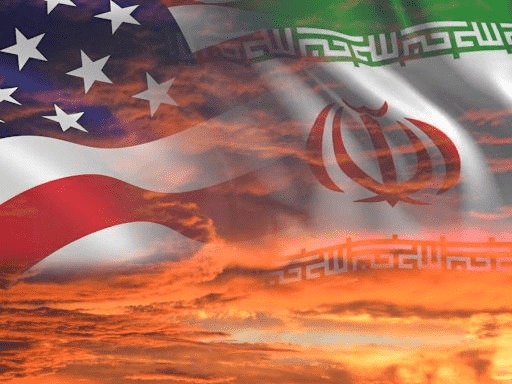
The editorial discusses the evolving security dynamics in West Asia amid the ongoing U.S.-Israel conflict with Iran. It highlights how regional powers are reassessing their dependence on the United States and exploring alternative security arrangements in response to shifting geopolitical realities.
Core Issue
The central issue is the emerging uncertainty in West Asia’s security architecture, driven by:
- Perceived inconsistency and limitations of U.S. security guarantees
- Rising regional tensions involving Iran
- Efforts by regional actors to develop independent or cooperative security frameworks
This raises a key question:
Can West Asia evolve a stable and autonomous security architecture beyond reliance on the United States?
Changing Nature of U.S. Role
- The U.S. remains a dominant external power but its commitments appear uncertain
- Gulf countries are questioning the reliability of American security assurances
- U.S. energy self-sufficiency reduces its direct dependence on West Asian oil
Implication:
- Strategic recalibration by regional actors due to declining trust in U.S. protection
Regional Reassessment and Strategic Autonomy
- Countries in West Asia are exploring new security arrangements
- Emphasis on regional and Islamic cooperation frameworks
Example:
- Pakistan’s diplomatic outreach and attempts to act as a mediator
- Engagements involving Türkiye, Saudi Arabia, and other regional actors
Observation:
- A shift from external dependency to regional security thinking
Pakistan’s Emerging Role
- Pakistan is attempting to reposition itself as a key regional mediator
- Leveraging its relations with the U.S. and Islamic world
Implications for India:
- Potential diplomatic and strategic challenges
- Need to monitor Pakistan’s increasing engagement in West Asian geopolitics
Stirrings within the Gulf
- Gulf countries are attempting to overcome internal divisions
- Increasing cooperation among Saudi Arabia, UAE, Qatar, and others
Key trends:
- Movement toward intra-regional dialogue
- Efforts to manage tensions with Iran through diplomacy
- China’s role in facilitating rapprochement (e.g., Saudi-Iran normalization)
Limitation:
- Deep-rooted rivalries and ideological differences persist
Security Challenges in the Region
- Iran’s actions and Israel’s military dominance are shaping regional responses
- Increased militarisation across the Gulf and Red Sea regions
- Arab states may need to act independently rather than rely solely on the U.S.
Concern:
- Lack of a unified and coherent regional security framework
Limitations of U.S.-Led Security Architecture
- Past failures (e.g., inability to fully protect Gulf states from attacks)
- Perception that U.S. involvement may escalate rather than stabilise conflicts
- Economic burden-sharing demands from the U.S. create friction
Result:
- Declining credibility of U.S.-centric security arrangements
Future of West Asian Security Order
Key questions emerging:
- Can a regional security system function without Iran’s inclusion?
- Will Gulf countries achieve consensus despite internal differences?
- Can Asian stakeholders (like India and China) play a balancing role?
Observation:
- The region is moving toward a multipolar and uncertain security environment
Way Forward
- Promote inclusive regional dialogue involving all key stakeholders, including Iran
- Reduce overdependence on external powers
- Strengthen multilateral and regional institutions
- Encourage conflict de-escalation and diplomatic engagement
- Ensure stability of energy routes critical for global economy
Conclusion
West Asia is at a critical juncture, with its traditional security architecture under strain.
The decline in unquestioned U.S. dominance is creating both risks and opportunities for regional realignment.
A stable future will depend on inclusive, cooperative, and regionally driven security frameworks that address both geopolitical and economic realities.