


The Hindu Editorial Analysis
07 April 2026
Climate change as a public health emergency
(Source – The Hindu, International Edition, Page no.-10 )
Topic : GS3 – Environment–health nexus
Why in news: Climate change is increasingly recognised as a public health emergency in India, as rising temperatures, extreme weather, and pollution are intensifying diseases, expanding their spread, and straining healthcare systems.
Key Details
- Climate change intensifies existing diseases and health risks
- Floods and droughts increase waterborne and diarrhoeal diseases
- Rising temperatures expand vector-borne diseases like dengue, malaria
- Air pollution (PM2.5) causes respiratory and cardiovascular issues
- Heat stress impacts vulnerable groups and infant health outcomes
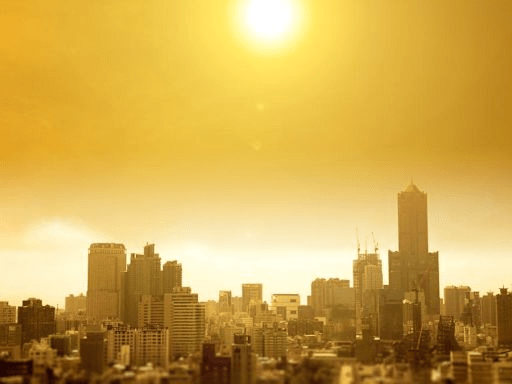
Climate Change as a Public Health Crisis
- Climate change is no longer just an environmental issue but a major health emergency.
- It intensifies existing diseases and creates conditions for new health threats.
- Its impact goes beyond disasters to long-term medical consequences.
Water Extremes and Disease Burden
- Urban flooding (e.g., Mumbai) increases waterborne diseases like cholera and typhoid.
- Overloaded sanitation systems contaminate drinking water sources.
- Drought-hit regions face unsafe water use, raising diarrhoeal diseases and dehydration.
Expanding Spread of Infectious Diseases
- Changing climate patterns are increasing vector-borne diseases like dengue and malaria.
- Warmer temperatures extend mosquito breeding seasons and regions.
- Diseases are spreading to new geographies with low immunity levels.
Air Pollution and Multi-Organ Impact
- Rising energy use increases PM2.5 pollution, harming lungs, heart, and kidneys.
- Leads to respiratory illnesses, cardiovascular diseases, and kidney damage.
- Pollution and heat together create a harmful feedback loop worsening health risks.
Heat Stress and Vulnerable Populations
- Increasing temperatures cause heat strokes and cardiovascular strain.
- Outdoor workers and poor populations are most affected.
- Rising night temperatures reduce body recovery time, worsening health outcomes.
- Linked to preterm births and low birth weight in infants.
Food Security and Nutritional Impacts
- Climate change disrupts crop production and food supply.
- Leads to malnutrition and micronutrient deficiencies, especially in children.
- Heat stress reduces milk production, affecting nutrition.
- Overall, weak nutrition increases disease vulnerability and poor immunity.
Conclusion
Climate change must be addressed as a public health priority, not merely an environmental issue. Strengthening healthcare systems, improving climate-resilient infrastructure, and ensuring equitable access to resources are essential. Integrating health considerations into climate policies, enhancing early warning systems, and protecting vulnerable populations will be key to reducing risks and building long-term resilience against climate-induced health impacts.
Descriptive Question:
Q. “Climate change is emerging as a major public health crisis in India.” Discuss the various health impacts of climate change and suggest measures to build a climate-resilient healthcare system. (15 marks, 250 words)