


The Hindu Editorial Analysis
24 March 2026
Mental health of TB patients should not be overlooked
(Source – The Hindu, International Edition, Page no.-10 )
Topic: GS 2 – Health: Disease control, diagnostics, TB elimination
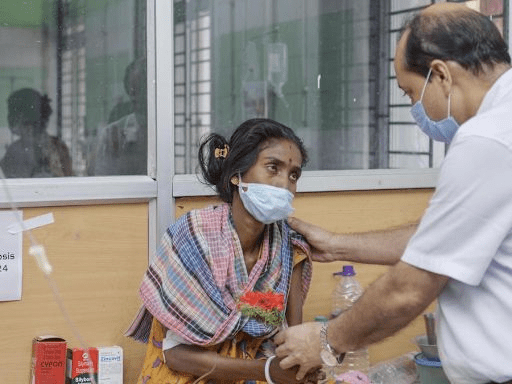
Why in news: TB and mental health are linked through poverty, stigma, and biological stress. Mental illness delays diagnosis and weakens immunity, while TB worsens psychological distress, creating a vicious cycle affecting outcomes.
Key Details
- High burden: TB patients show 1/3–1/2 prevalence of mental health issues; higher in drug-resistant TB
- Stigma impact: Guilt, shame, and social isolation worsen psychological distress
- Bidirectional link: Mental illness can delay TB care and weaken immunity
- Treatment risk: Depression leads to poor adherence, relapse, drug resistance
- Caregiver strain: Families face high stress, affecting outcomes
Burden of TB and Mental Health
- High prevalence: ~1 in 7 Indians face mental health issues; rises to 1/3–1/2 in TB patients
- Dual impact: TB affects both physical and mental health (depression, anxiety, psychosis)
- Drug-resistant TB: Up to 2/3 patients face mental health problems
- Extreme outcomes: Includes suicidal ideation and suicide cases
- Social roots: Linked with poverty, malnutrition, unemployment
Stigma and Social Challenges
- Widespread stigma: Exists at self, family, workplace, community levels
- Emotional burden: Patients feel guilt and shame despite airborne nature
- Family fear: Anxiety about infecting children or relatives
- Double stigma: TB + mental illness worsens psychological distress
- Isolation effect: Leads to reduced support and worsening health
Interaction Between TB and Mental Health
- Pre-existing conditions: Depression/anxiety may exist before TB diagnosis
- Delayed care: Mental illness can delay TB treatment seeking
- Biological link: Depression may weaken immunity → TB activation
- Treatment adherence: Depression causes irregular or stopped medication
- Substance abuse: Alcohol/tobacco worsen treatment outcomes
Screening and Treatment Needs
- Routine screening: Essential for early detection of depression/anxiety
- Healthcare training: Workers need mental health awareness & skills
- Multiple checks: Screening at different TB treatment stages
- Integrated care: Combine anti-TB + mental health treatment
- Support systems: Use CBT, peer groups, trained professionals
Family and Holistic Approach
- Caregiver stress: Up to 80% caregivers face high emotional strain
- Negative emotions (EE): Leads to higher burden & poor outcomes
- Family-centred care: Emotional + financial strain affects caregiving
- Psychoeducation: Needed for patients + families
- Syndemic approach: Integrate TB + mental health care for better outcomes
Conclusion
Addressing TB effectively requires integrating mental healthcare into TB programmes. Early screening, stigma reduction, and caregiver support can improve adherence and outcomes. A syndemic approach that treats both conditions together ensures holistic recovery, reduces relapse and drug resistance, and strengthens public health systems. Ignoring mental health risks undermining TB elimination goals and prolonging suffering for patients and families.
Descriptive question:
Q. “TB is not just a biomedical disease but a social and psychological challenge.” Examine the need for integrating mental healthcare into TB control strategies in India. (250 words, 15 marks)