


The Hindu Editorial Analysis
20 April 2026
Model Code of Conduct (MCC) in State Elections
(Source – The Hindu, International Edition, Page no.-8 )
Topic : GS2 – Polity; parliamentary structure
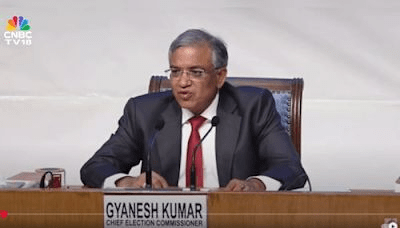
Why in news: The Model Code of Conduct is in news due to recent state election announcements, prompting the Election Commission of India to enforce strict guidelines on campaigning and government conduct.
Key Details
- The MCC ensures free and fair elections by regulating political parties and candidates during the election period.
- It comes into force immediately after election dates are announced and remains till results are declared.
- The ruling government is restricted from announcing new schemes or using official machinery for campaigns.
- Political parties must avoid hate speech, bribery, and misuse of religion or caste for votes.
- The Election Commission monitors violations through observers, flying squads, and strict enforcement mechanisms.
Meaning and Purpose
- The Model Code of Conduct (MCC) is a set of guidelines issued by the Election Commission of India to regulate the behavior of political parties and candidates during elections.
- Its main purpose is to ensure free, fair, and transparent elections by preventing misuse of power and unfair practices.
- It creates a level playing field so that no party gets an undue advantage during the election period.
- The MCC promotes ethical campaigning and discourages corrupt or divisive activities.
- It helps maintain public confidence in the electoral process.
When MCC Comes into Force
- The MCC comes into effect immediately after the announcement of the election schedule by the Election Commission.
- It remains in force until the completion of the election process, including declaration of results.
- It applies to all political parties, candidates, and government authorities involved in elections.
- During this period, strict monitoring is carried out to ensure compliance.
- Any violation can lead to warnings, notices, or legal action by the Commission.
Rules for Political Parties and Candidates
- Political parties must avoid hate speech, personal attacks, and use of religion or caste for votes.
- Candidates must not bribe voters or distribute money, gifts, or liquor to influence voting.
- Campaigning should be conducted in a peaceful and respectful manner without disturbing public order.
- Parties must respect opposition leaders and avoid spreading false information.
- All campaign activities must comply with laws and instructions issued by the Election Commission.
Restrictions on Government Activities
- The ruling government must not announce new schemes, projects, or policies that could influence voters.
- Ministers and officials must not use official machinery, vehicles, or public funds for campaigning.
- Public places and government resources must be used fairly and without bias.
- Advertisements funded by the government that promote achievements are restricted during this period.
- Transfers and appointments of officials require prior approval from the Election Commission.
Campaign Regulations
- Campaigns must follow prescribed time limits and noise regulations to avoid public disturbance.
- Use of loudspeakers and rallies must be conducted with proper permissions from authorities.
- Parties must maintain transparency in campaign expenditure and follow spending limits.
- Posters, banners, and hoardings must be placed only at permitted locations.
- Media and social media campaigning must avoid fake news and misinformation.
Enforcement and Importance
- The Election Commission ensures enforcement through flying squads, observers, and monitoring teams.
- Violations of MCC can result in censure, FIRs, or even disqualification in serious cases.
- Though not legally binding, the MCC carries strong moral authority and public accountability.
- It plays a crucial role in maintaining democratic integrity during state elections.
- Overall, the MCC ensures that elections are conducted in a fair, orderly, and credible manner.
Conclusion
The Model Code of Conduct plays a vital role in safeguarding democratic values during elections. It ensures fairness, transparency, and accountability among political stakeholders. By restricting misuse of power and promoting ethical campaigning, it strengthens public trust in the electoral process. Effective enforcement by the Election Commission is essential to maintain the credibility and integrity of state elections in India.
Descriptive Question:
Q. “Discuss the significance of the Model Code of Conduct (MCC) in ensuring free and fair elections in India. Examine its key provisions, limitations, and suggest measures to strengthen its enforcement by the Election Commission of India.” (15 marks, 250 words)