


The Hindu Editorial Analysis
04 May 2026
Tackling takedowns
(Source – The Hindu, International Edition – Page No. – 8)
Topic : GS Paper: GS-2 (Governance, Fundamental Rights, Judiciary) and GS-3 (Cyber Security, Data Governance)
Context
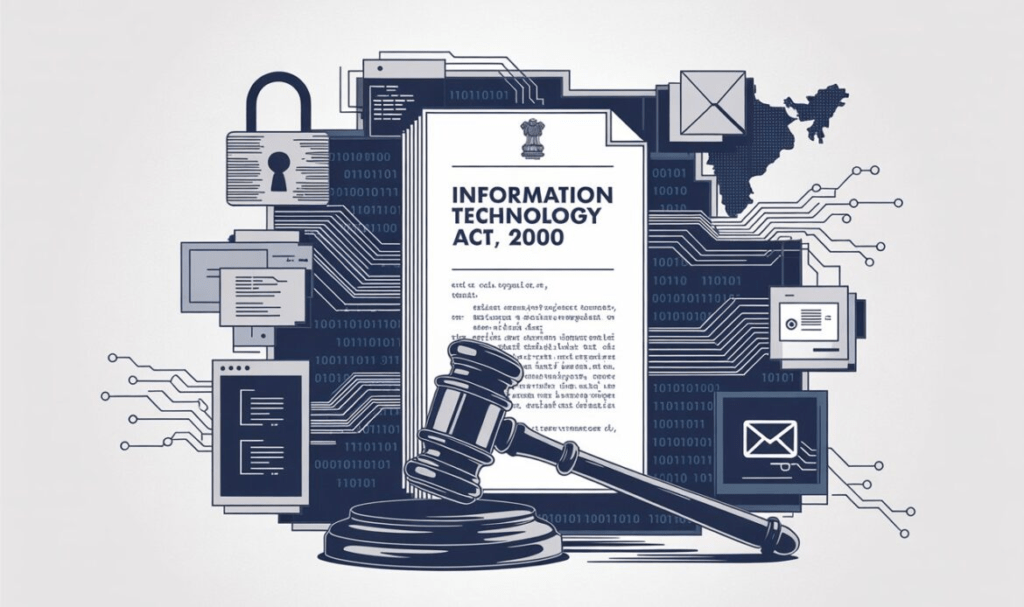
The editorial critiques the increasing use of executive powers under the Information Technology Act, 2000 and IT Rules, 2021 to regulate online content. It highlights concerns about the rapid expansion of censorship mechanisms, particularly through takedown orders imposed on social media platforms.
Core Issue
The central issue is the misuse of legal and administrative provisions to censor online speech, leading to:
- Curtailment of freedom of expression
- Bypassing of judicial safeguards
- Expansion of unchecked executive authority
This raises a key question:
Are online content regulations in India protecting public order, or undermining constitutional freedoms?
Expansion of Censorship Powers
- Government using Sections 69A and 79(3)(b) of IT Act to enforce takedowns
- Platforms pressured to remove content within very short timelines
- Threat of losing safe harbour protection and facing legal liability
Implication:
- Platforms comply preemptively, leading to over-censorship
Erosion of Judicial Safeguards
- Supreme Court in Shreya Singhal (2015) mandated:
- Takedowns only via court order or lawful government notification
- Current practices bypass these safeguards through informal or opaque processes
Concern:
- Undermines rule of law and due process
Role of Safe Harbour and Platform Behaviour
- Safe harbour protections tied to compliance with government orders
- Platforms prefer automated compliance over legal resistance
Result:
- Lack of institutional resistance to executive overreach
Use of Sahyog Portal
- Enables police authorities to issue takedown requests
- Functions as a centralised mechanism for content control
Issue:
- Risk of becoming a “rubber stamp” for censorship
- Lacks clear legal backing for expanded use
Impact on Public Discourse
- Suppression of dissenting voices, including journalists and opposition
- Deletion of entire accounts and media outlets
- Distortion of democratic debate
Observation:
- Online space as a platform for free expression is shrinking
Chilling Effect on Speech
- Fear of takedowns and legal consequences leads to self-censorship
- Creators and citizens avoid expressing critical opinions
Key insight:
- Uncertainty and opacity in regulation suppress lawful speech
Transparency and Accountability Deficit
- Government does not publish comprehensive data on takedown actions
- Lack of clarity on criteria and decision-making processes
Implication:
- Weak public oversight and accountability
Judicial and Institutional Concerns
- Courts have raised concerns over overreach (e.g., Karnataka High Court observations)
- Delegated legislation being used beyond its intended scope
Risk:
- Executive dominance over legislative and judicial functions
Way Forward
- Ensure strict adherence to Supreme Court guidelines in Shreya Singhal
- Establish transparent and accountable takedown procedures
- Limit use of executive discretion in content regulation
- Strengthen judicial oversight over digital governance
- Balance regulation with protection of fundamental rights
Conclusion
The growing use of takedown powers reflects a troubling shift toward executive control over digital speech.
While regulation of harmful content is necessary, it must operate within constitutional limits and due process.
Safeguarding freedom of expression in the digital age is essential to preserving India’s democratic character.