


The Hindu Editorial Analysis
26 March 2026
The Transgender Persons Amendment Bill, a flawed fix
(Source – The Hindu, International Edition, Page no.-10 )
Topic: GS Paper 2 – Social Justice (Vulnerable Sections, Gender Rights
Introduction
The Transgender Persons (Protection of Rights) Amendment Bill, 2026 seeks to modify the 2019 Act by redefining transgender identity and restructuring certification mechanisms. While aimed at addressing implementation issues, it has raised serious concerns regarding rights, dignity, and inclusivity.
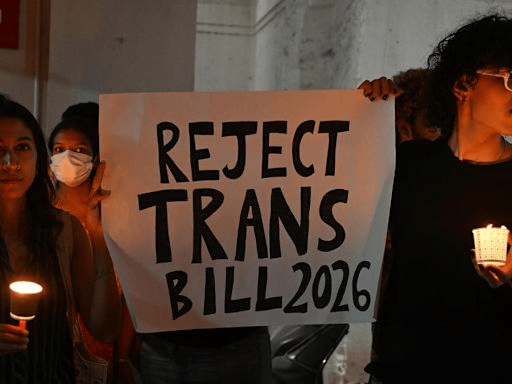
Key provisions of the Amendment
- Narrowed definition
- Limits transgender identity to specific socio-cultural groups such as hijra, kinner, etc.
- Includes intersex persons within the same category
- Removal of self-identification
- Removes the right to self-perceived gender identity
- Introduces certification through a medical authority
- Increased institutional control
- Mandatory reporting of surgeries
- Greater bureaucratic and medical oversight
- Penal provisions
- Introduces stricter punishment for exploitation (5–14 years imprisonment)
Major concerns
- Violation of dignity and autonomy
- Contradicts the principle of self-identification recognised in NALSA (2014)
- Violates Article 21 (privacy and dignity)
- Conflation of sex and gender
- Treats intersex (biological) and transgender (identity-based) as the same
- Leads to policy confusion and inadequate protection
- Ignoring intersex rights
- No prohibition on non-consensual surgeries on infants
- Violates global human rights standards
- Medicalisation of identity
- Shifts identity recognition from individual to medical authorities
- Reinforces gatekeeping and discrimination
- Lack of intersectionality
- No focus on caste, disability, poverty, or religion
- Ignores layered vulnerabilities
- Weak institutional framework
- No reform of National Council or State Boards
- Continues ineffective implementation
- No civil rights framework
- No clarity on marriage, adoption, inheritance
- Limits full citizenship rights
Constitutional and legal issues
- Article 14 – Equality before law
- Article 15 – Non-discrimination
- Article 21 – Right to dignity and privacy
Judicial backing
- NALSA vs Union of India (2014): Recognised self-identification
- Puttaswamy case (2017): Affirmed privacy and autonomy
International commitments
- UN and WHO guidelines on gender and intersex rights
Implications
- Reinforces heteronormative structures
- Marginalises vulnerable communities further
- Weakens inclusive development
- Contradicts constitutional morality
Way forward
- Restore self-identification without medical barriers
- Create separate legal frameworks for transgender and intersex persons
- Ban non-consensual intersex surgeries
- Strengthen welfare institutions with community participation
- Provide civil rights including marriage and inheritance
- Adopt intersectional policy design
- Improve data collection and research
Conclusion
The Amendment Bill, instead of strengthening rights, risks diluting the progressive spirit of earlier judicial interventions. A rights-based, inclusive, and evidence-driven framework rooted in dignity and equality is essential to ensure justice for gender-diverse communities.