


The Hindu Editorial Analysis
27 April 2026
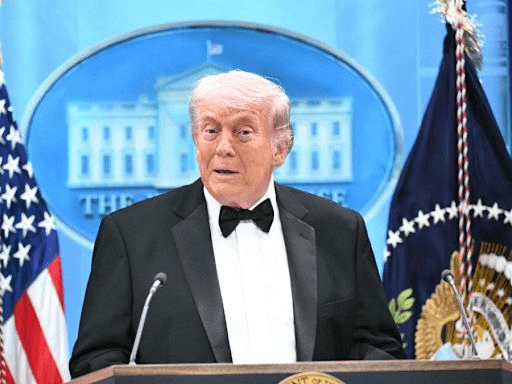
Trump’s hubris and the cost to the world order
(Source – The Hindu, International Edition – Page No. – 8)
Topic : GS Paper: GS-2 (International Relations, Global Order) and GS-4 (Ethics in Leadership)
Context
The editorial critiques the leadership style and strategic decisions of U.S. President Donald Trump in the context of the ongoing West Asia conflict. It argues that personal overconfidence and inconsistent policy actions have contributed to instability in the region and weakened the global order.
Core Issue
The central issue is the impact of leadership-driven unilateralism on global stability, arising from:
- Overconfidence and erratic decision-making
- Misreading of military outcomes
- Undermining of established international norms
This raises a key question:
How does leadership hubris affect global peace, diplomacy, and the credibility of international order?
Concept of Hubris in Leadership
- Hubris refers to excessive pride and overconfidence leading to flawed decisions
- The editorial links this trait to recent U.S. actions in global conflicts
Implication:
- Personalised decision-making can override institutional checks and strategic prudence
Misreading of Victory
- Claims of decisive success contrast with ground realities
- Iran remains resilient despite military pressure
- No clear winner has emerged
Observation:
- Modern conflicts often result in “no-win” outcomes rather than decisive victories
Impact on Global Order
- Weakening of U.S. credibility as a security guarantor
- Growing distrust among allies and partners
- Erosion of rules-based international system
Result:
- Shift toward a more fragmented and uncertain global order
Modern War Realities
- Smaller or weaker actors can resist stronger powers effectively
- Overestimation of military superiority leads to strategic errors
- Proxy networks and asymmetric warfare complicate outcomes
Key insight:
- Military dominance alone cannot ensure political success
Diplomatic Inconsistencies
- Frequent policy reversals and contradictory statements
- Deadlines and declarations lacking strategic coherence
- Ceasefire extensions without resolution of core issues
Implication:
- Reduces trust and predictability in international relations
Human and Economic Costs
- Loss of lives and large-scale displacement
- Regional instability affecting global economies
- Long-term humanitarian consequences
Observation:
- Strategic miscalculations have real human costs
Pakistan’s Emerging Role
- Pakistan positioning itself as a mediator in the conflict
- Strengthening ties with the U.S.
- Attempt to project itself as a key player in Islamic world politics
Implications for India:
- Potential strategic discomfort
- Need for calibrated diplomatic response
Challenges to Multilateralism
- Decline of collective decision-making frameworks
- Increasing reliance on unilateral or coalition-based actions
- Marginalisation of international institutions
Concern:
- Weakening of global governance mechanisms
Way Forward
- Promote responsible and accountable leadership in global politics
- Strengthen multilateral institutions and norms
- Encourage diplomatic solutions over military adventurism
- Recognise limits of military power in resolving complex conflicts
- Enhance global cooperation to manage conflicts and crises
Conclusion
The West Asia conflict highlights the dangers of leadership driven by hubris rather than strategic restraint.
Unilateral actions and inconsistent policies risk undermining both regional stability and the global order.
Sustainable peace requires humility in leadership, respect for international norms, and a renewed commitment to multilateral diplomacy.