


The Hindu Editorial Analysis
11 May 2026
Advancing India-South Korea defence innovation ties
(Source – The Hindu, International Edition – Page No. – 8)
Topic : GS Paper: GS-2 (International Relations) and GS-3 (Defence Technology, Science & Technology, Indigenisation of Defence)
Context
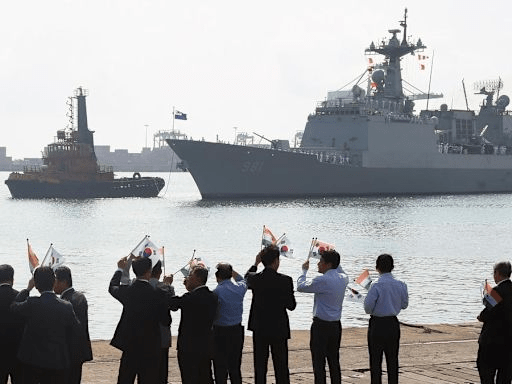
The editorial discusses the growing defence partnership between India and South Korea, particularly the launch of the Korea-India Defence Accelerator (KIND-X). It highlights the potential of this initiative to strengthen bilateral defence innovation, co-production, and technological collaboration.
Core Issue
The central issue is the need to deepen India–South Korea defence cooperation through innovation-driven partnerships involving:
- Joint research and development
- Defence startup ecosystems
- Technology transfer and co-production
This raises a key question:
Can innovation-led defence cooperation become a key pillar of India–South Korea strategic relations?
Evolution of India–South Korea Defence Relations
- Diplomatic relations established in 1973
- Defence cooperation expanded through:
- 2005 MoU on Defence Industry and Logistics
- 2010 defence R&D cooperation agreements
- 2020 Roadmap for Defence Industries Cooperation
- Partnership elevated to a Special Strategic Partnership in 2015
Observation:
- Relationship has steadily evolved from basic defence ties to strategic industrial collaboration
Significance of KIND-X
- New defence innovation platform announced in 2026 summit
- Designed to connect:
- Startups
- Universities
- Investors
- Defence industries
- Inspired by models such as INDUS-X (India-U.S.) and FRIND-X (India-France)
Implication:
- Shift toward innovation ecosystem-based defence cooperation
Areas of Cooperation
Potential focus sectors include:
- Artificial Intelligence (AI)
- Autonomous systems and robotics
- Space-based surveillance and ISR
- Semiconductors and critical minerals
- Naval, aerospace, and guided weapon systems
Significance:
- Encourages dual-use technology development
Role of Defence Industrial Ecosystems
India’s strengths:
- iDEX framework
- Expanding defence corridors
- Growing startup ecosystem
South Korea’s strengths:
- Advanced manufacturing capabilities
- Defence innovation clusters
- Strong electronics and aerospace industries
Outcome:
- Complementary strengths can drive co-development and co-production
Boost to Atmanirbhar Bharat
- Encourages indigenous manufacturing and technology transfer
- Supports Make in India in defence sector
Example:
- K9 Vajra-T howitzer project involving L&T and Hanwha Aerospace
Observation:
- Successful co-production models can become templates for future projects
Institutional and Strategic Benefits
- Creation of joint innovation challenges and grants
- Shared testing facilities and certification processes
- Annual summits and Track 1.5 dialogues proposed
Implication:
- Enhances long-term institutional collaboration and policy coordination
Geopolitical Significance
- Strengthens India’s strategic engagement in Indo-Pacific
- Diversifies defence partnerships beyond traditional allies
- Enhances resilience in critical technology supply chains
Observation:
- Defence innovation is increasingly linked to geopolitical strategy
Challenges
- Export control regulations
- Intellectual property and licensing issues
- Funding and implementation coordination
- Need for clear institutional mechanisms
Concern:
- Without tangible deliverables, initiatives may remain symbolic
Way Forward
- Define clear funding and governance mechanisms for KIND-X
- Promote joint R&D and startup collaboration
- Align cooperation with India’s Defence Vision 2047
- Expand industrial and academic exchanges
- Develop concrete timelines and deliverables for projects
Conclusion
The launch of KIND-X marks a significant step in strengthening India–South Korea defence relations through innovation and technology collaboration.
By combining industrial strengths, startup ecosystems, and strategic interests, both countries can build a resilient and future-oriented defence partnership.
Its long-term success will depend on sustained institutional commitment, co-development capabilities, and tangible technological outcomes.