


The Hindu Editorial Analysis
23 April 2026
Persian deadlock : U.S.-Israel conflict
(Source – The Hindu, International Edition – Page No. – 8)
Topic : GS Paper: GS-2 (International Relations) and GS-3 (Energy Security)
Context
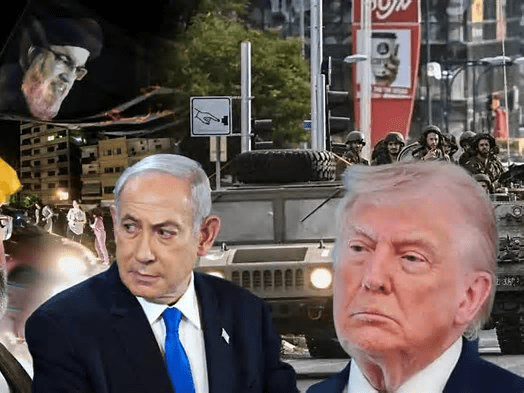
The editorial analyses the ongoing stalemate between the United States and Iran following the U.S.-Israel conflict. It focuses on the continued blockade of Iranian ports and the closure of the Strait of Hormuz, highlighting the failure of both sides to move toward a sustainable diplomatic resolution.
Core Issue
The central issue is the persistence of a strategic deadlock between the U.S. and Iran, driven by:
- Continued economic blockade by the U.S.
- Iran’s control over and restrictions on the Strait of Hormuz
- Lack of mutual trust and diplomatic engagement
This raises a key question:
Can the crisis be resolved through negotiation, or will continued coercive strategies push the region toward renewed conflict?
Nature of the Deadlock
- The U.S. extended the ceasefire but maintained economic pressure
- Iran refused negotiations under coercive conditions
- No resolution on key issues:
- Nuclear programme
- Strait of Hormuz control
- Sanctions regime
Observation:
- The ceasefire represents a pause, not a settlement
Contradictions in U.S. Strategy
- Claims of military success contrast with inability to reopen Hormuz
- Simultaneous use of diplomacy and coercion
- Policy reversals (U-turns) weaken credibility
Implication:
- Mixed signals deepen mistrust and complicate negotiations
Iran’s Strategic Position
- Maintains leverage through control of the Strait of Hormuz
- Uses economic and maritime pressure as bargaining tools
- Refuses to negotiate under perceived coercion
Key insight:
- Iran’s strategy is based on resistance and negotiation from a position of strength
Escalation Risks
- Seizure of vessels and maritime tensions
- Breakdown of diplomatic talks
- Potential return to active military confrontation
Global concern:
- The region remains on the brink of renewed conflict
Impact on Global Economy
- Disruption of oil supply through the Strait of Hormuz
- Rising energy prices and shipping costs
- Increased uncertainty in global trade
Result:
- The crisis has significant implications for global energy security
Failure of Diplomacy
- Missed opportunities for negotiations
- Lack of trust between both sides
- Absence of a structured diplomatic framework
Observation:
- Tactical decisions are overriding long-term strategic solutions
Way Forward
- The U.S. should ease or lift the blockade to build trust
- Iran should reopen the Strait of Hormuz for commercial activity
- Resume structured diplomatic negotiations
- Address core issues:
- Nuclear programme
- Sanctions relief
- Regional security concerns
- Promote multilateral engagement to stabilise the region
Conclusion
The Persian Gulf crisis reflects the dangers of pursuing coercive strategies without credible diplomatic engagement.
A sustainable resolution requires mutual concessions, trust-building, and recognition of new strategic realities.
Without a shift toward dialogue, the deadlock risks escalating into a wider conflict with severe global consequences.